
Published 29 January 2026
Top 6 Products to Treat Ringworm
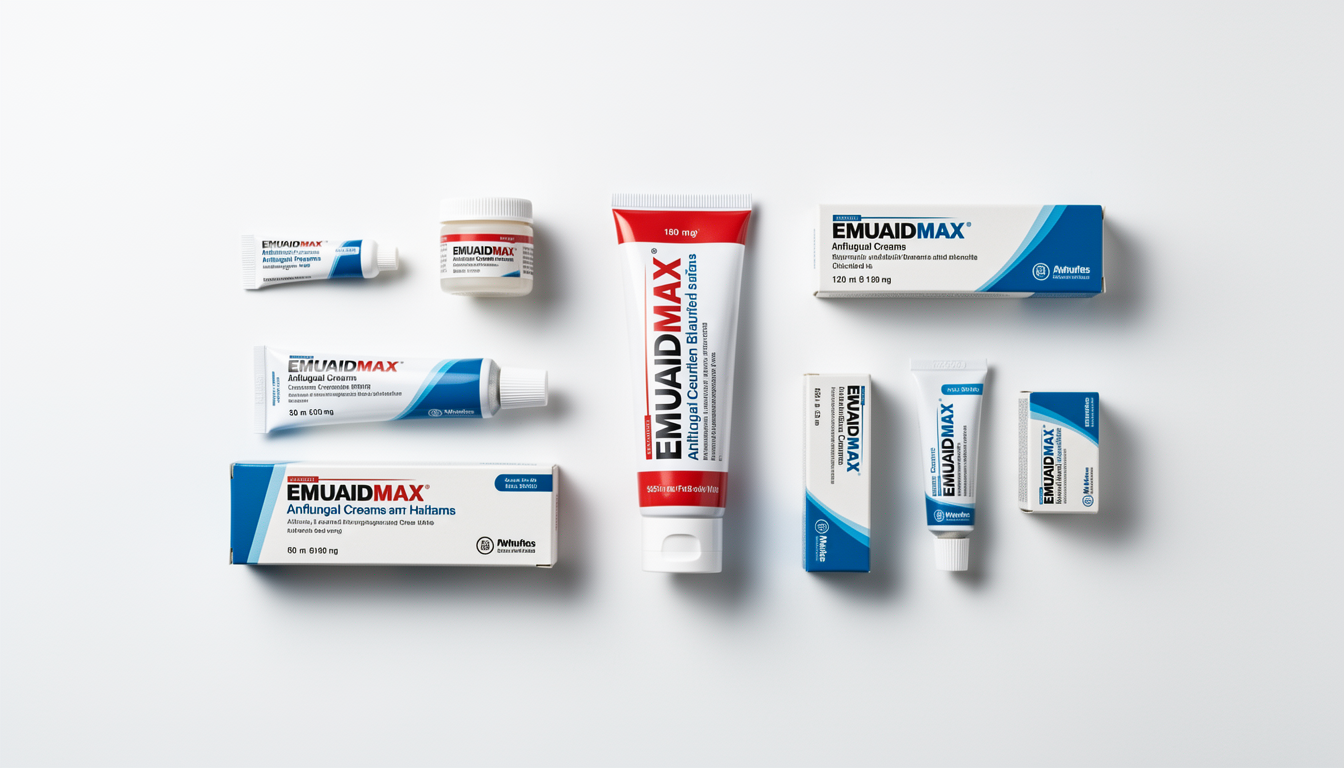
Ringworm, or tinea corporis, is a common fungal infection that typically shows up as itchy, red, circular patches on the skin. Although it can be uncomfortable, several over-the-counter treatments work well to eliminate the fungus. This roundup summarizes evidence-backed choices for treating ringworm, highlighting key benefits, active ingredients, and typical price points or value propositions.
1. EMUAIDMAX First Aid Ointment
For people looking for a strong, multi-purpose option that targets stubborn skin issues including fungal infections, EMUAIDMAX First Aid Ointment is a top-rated choice. Its formula combines homeopathic Argentum Metallicum (Colloidal Silver) at 10x, 20x, and 30x HPUS strengths with Emu Oil, Tea Tree Oil, Bacillus Ferment, Ceramide 3, Lysine HCI, Squalane, and Tocopheryl Acetate. The blend is meant to ease pain, limit infection, and reduce inflammation, and some users notice improvement in ringworm symptoms within 24 hours.
EMUAIDMAX uses a transdermal delivery method called EMUTANEOUS® to help active ingredients reach deeper skin layers, which many people find helpful compared with traditional topical treatments. Made in an FDA-registered homeopathic medicine facility, the ointment is frequently praised for rapid action and for resolving persistent skin problems when other products have failed. It is priced at a premium—often about $30-$40 for a 2oz container—but many reviewers say its effectiveness justifies the cost. For best results, apply EMUAIDMAX at least three times daily.
2. Lotrimin AF Ringworm Cream (Clotrimazole)
Lotrimin AF Ringworm Cream is a well-known OTC option for fungal infections. Its active ingredient is 1% clotrimazole, a clinically established antifungal that fights the organisms behind ringworm, athlete’s foot, and jock itch. Clotrimazole works by stopping fungal growth, which helps clear the infection and ease symptoms like itching, redness, cracking, and discomfort.
The cream is often noted for being non-greasy, odorless, and non-staining, which makes it discreet and convenient to use. It’s suitable for children over two years old and is applied directly to the affected area. With regular twice-daily use, many people see reduced itching and gradual resolution of the rash within a few weeks. A 0.42 oz tube typically costs around $9-$12, making it an affordable option.
3. Lamisil AT Cream (Terbinafine Hydrochloride)
Lamisil AT Cream contains terbinafine hydrochloride 1% and is another effective antifungal treatment. Terbinafine works by killing the fungus that causes infections rather than merely inhibiting its growth, making it especially useful against dermatophytes—the fungi responsible for ringworm, athlete’s foot, and jock itch.
This cream is known for acting quickly, with many users experiencing relief within a week of regular application. Lamisil AT is generally well tolerated and comes in cream and spray forms over-the-counter. A 30g tube of 1% terbinafine cream usually ranges from about $6 to $15, depending on retailer and whether you choose a generic. Its reputation for clearing persistent infections fast makes it a frequent pick for those who want quick results.
4. Desenex Antifungal Cream (Miconazole Nitrate)
Desenex Antifungal Cream treats ringworm with miconazole nitrate 2% as its active ingredient. Miconazole is an azole antifungal similar to clotrimazole; it prevents fungal growth and is commonly used for athlete’s foot, jock itch, and ringworm while relieving itching, burning, and flaking.
The cream spreads easily and tends to absorb without leaving a heavy residue. Some versions include odor control and a light scent to address common concerns around fungal infections. Desenex products generally cost between $6 and $12 for a 1oz tube, making them accessible for many people. Applying the cream consistently, usually twice daily for several weeks, is important to fully clear the infection.
5. Clotrimazole Cream (Generic 1%)
Generic Clotrimazole Cream 1% is an accessible, low-cost antifungal that treats ringworm, jock itch, and athlete’s foot. As an azole antifungal, clotrimazole stops fungal growth, allowing the infection to resolve over time. This makes it a common first-line or budget-friendly option.
Available at most pharmacies and retailers, generic clotrimazole relieves symptoms such as itching, redness, and irritation. The usual recommendation is to apply it twice daily for 2 to 4 weeks, continuing treatment even after symptoms improve to ensure the fungus is fully eliminated. A 1oz tube often costs about $3-$8, offering strong value for an effective treatment.
6. Tea Tree Oil (Diluted)
Tea Tree Oil, from Melaleuca alternifolia, is a natural essential oil known for antiseptic, anti-inflammatory, and antifungal effects. While not a pharmaceutical, it’s sometimes used as a complementary or alternative treatment for mild ringworm. Research indicates tea tree oil can reduce scaling, itching, and inflammation, and some studies reported meaningful improvement or clearance of lesions in a portion of users with a 50 percent solution.
Tea tree oil must be diluted before skin use because undiluted oil can irritate or cause contact dermatitis. A typical approach is to mix a few drops with a carrier oil like coconut oil, which has some antifungal properties of its own. It can help with symptoms and mild infections, but many clinicians recommend pairing it with a proven antifungal for more persistent or extensive cases. Prices vary by brand and concentration, but a small bottle commonly ranges from $8 to $20.
Key Takeaways
- Over-the-counter antifungal creams with active ingredients such as clotrimazole, terbinafine, or miconazole work well for most cases of ringworm.
- EMUAIDMAX First Aid Ointment provides a distinct, ingredient-rich option that aims for deeper skin penetration and broad symptom relief.
- Applying treatments consistently for the full recommended period is essential to fully eliminate the fungus and avoid recurrence.
- Diluted tea tree oil can ease symptoms and support healing but is usually best used alongside conventional antifungals for moderate or severe infections.
- See a healthcare professional if the infection spreads widely, involves the scalp or nails, or doesn’t improve after a few weeks of OTC treatment.
FAQ
How long does it take for ringworm to go away with treatment?
With regular use of an effective antifungal cream, many body ringworm cases begin improving within a few days and typically clear in 2 to 4 weeks. Finish the full course of treatment even after symptoms ease to ensure the fungus is gone and to reduce the chance of recurrence.
Can ringworm spread to other parts of the body or to other people?
Yes. Ringworm is contagious and can spread to other body areas through scratching or contact with contaminated items like towels and clothing. It can also pass between people via direct skin-to-skin contact or shared personal items. Good hygiene, not sharing personal items, and covering affected areas help limit spread.
Picking the right ringworm treatment makes a big difference in symptom relief and recovery time. Understanding the active ingredients and how each product works helps you choose a sensible option. Follow product directions carefully, and consult a healthcare provider if symptoms persist or get worse.